



Belarus
Heavily affected by radioactive fallout
Due to the difficult situation because of the war in Ukraine, Green Cross Switzerland only engaged in reduced cooperation with our partners in Belarus in the period 2022. Considering the long-standing partnership between the parties, Green Cross Switzerland wishes to and can support the SocMed projects in Belarus even in these difficult times. Right now, these projects are particularly important because Belarus’ population suffers the consequences of the war in neighbouring Ukraine, in addition to radioactive radiation.
Even Belarus and particularly the Homel’ region suffered from the radioactive fallout caused by the Chernobyl’s disaster. In this area, high levels of caesium and illnesses caused by radioactive exposure have been registered, although in individual cases it is difficult to prove a direct connection. In general, the affected population lives with a constant fear of this invisible enemy, which can generate enormous psychological pressure.
The nuclear disaster has also had serious socio-economic consequences. Due to the contamination, in fact, large areas of the country have been closed off: on one hand, this has had a devastating effect on agriculture, as previously arable land can no longer be used; on the other hand, it resulted in population resettlements and job losses.
Green Cross is therefore committed to give the population in the contaminated areas a prospect of normality and a future full of hope.
Social gardening
Living in areas contaminated by radioactivity increases the risk of illness, especially for children. A nutritious and balanced diet helps to strengthen the immune system; unfortunately, due to low income and poor information, a diet low in vitamins and nutrients prevails.
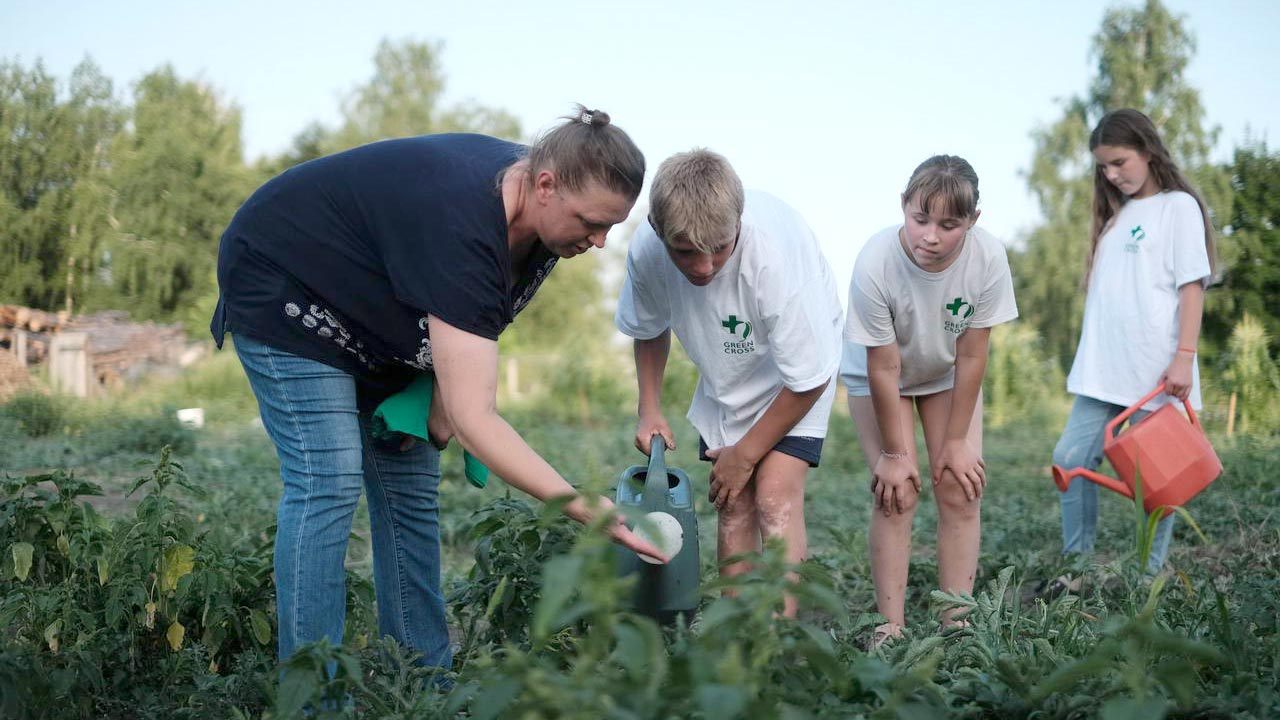
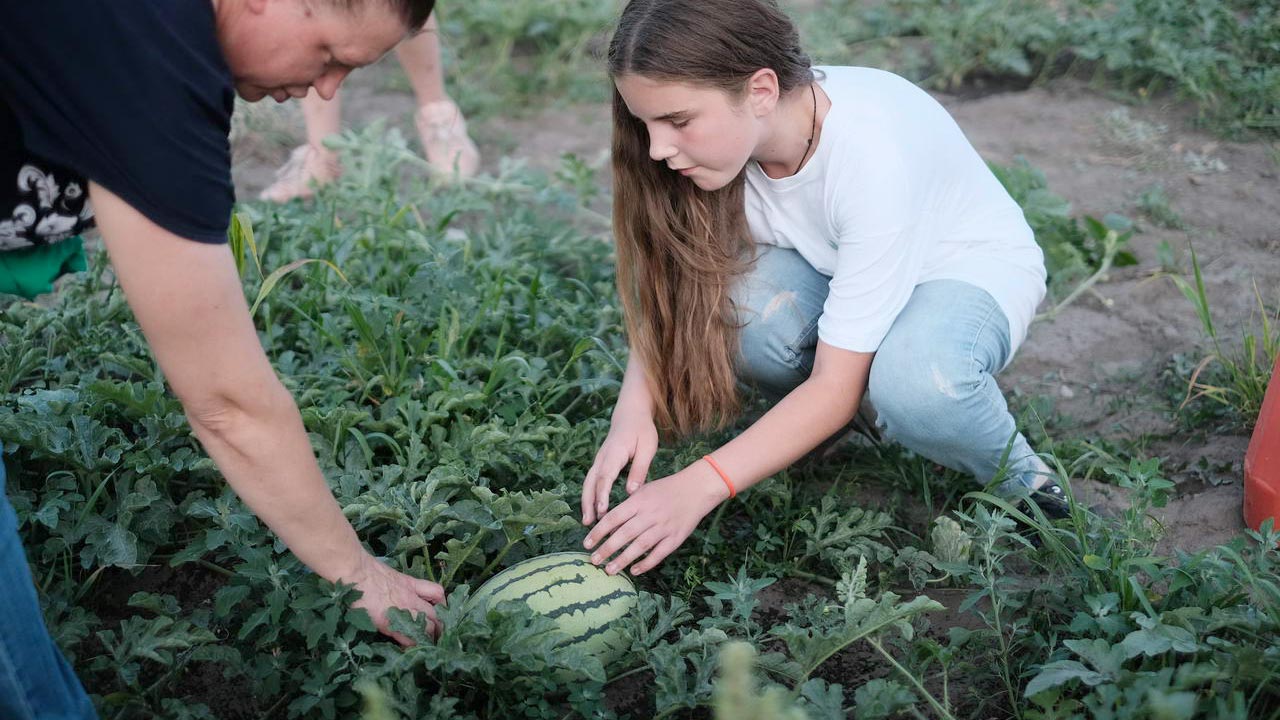
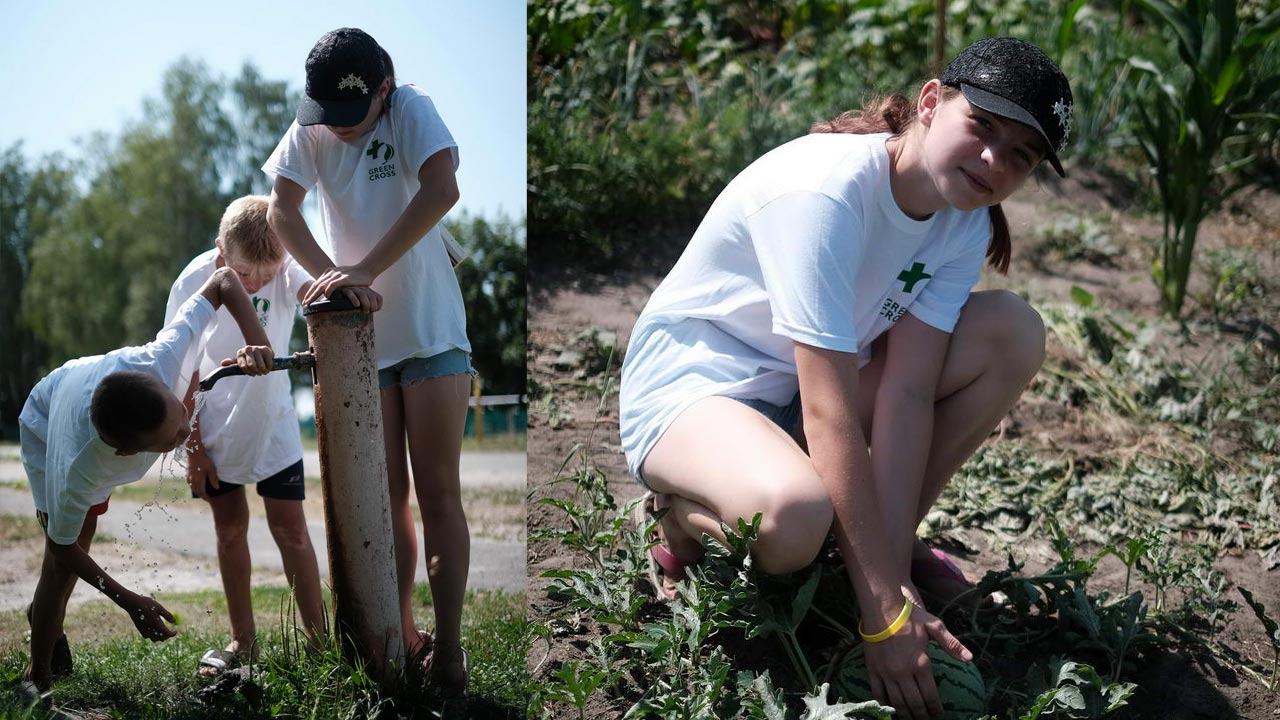
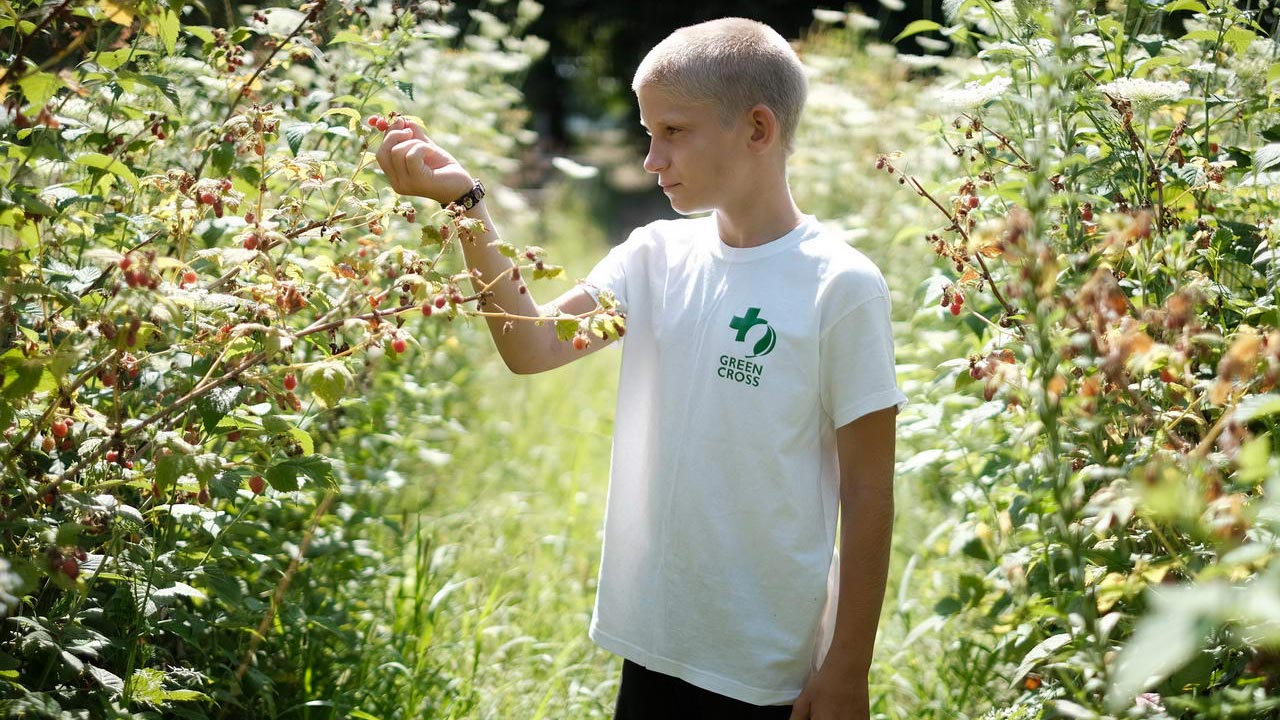
Through the social gardening project, Green Cross wants to improve eating habits by giving children the opportunity to participate in the cultivation process of vegetables and fruit in a playful way.
The projects take place about 30 km from the destroyed Chernobyl nuclear power plant. Therefore, the soil must be continuously checked for radionuclide content with a radiometer.
Family clubs
In rural Belarus and especially in the communities affected by the radioactive fallout, the socio-economic situation is characterized by general poverty, lack of prospects and of job opportunities.
In this context, family clubs play an important role: they act as a meeting point for the inhabitants of the region, offering different training courses and promoting interpersonal relationships through fun events and family activities.
Training and information activities
Green Cross organizes training and informative events for the Belarusian population. They are conducted on-site and online in the form of webinars, and cover various topics. In addition, Green Cross Belarus spreads the knowledge gained through the SOCMED programme by taking part in national and international events.